I have written so many posts praising homemade fruit cakes that I have almost lost count. Every time, I think I have finally tried every possible recipe. Then I discover another lovely variation and find myself baking—and writing about cake—all over again.
I first shared this fresh apricot cake on Instagram last summer. Since then, I have made it several times, and it has become one of those simple seasonal recipes I look forward to when fresh apricots appear at the market.
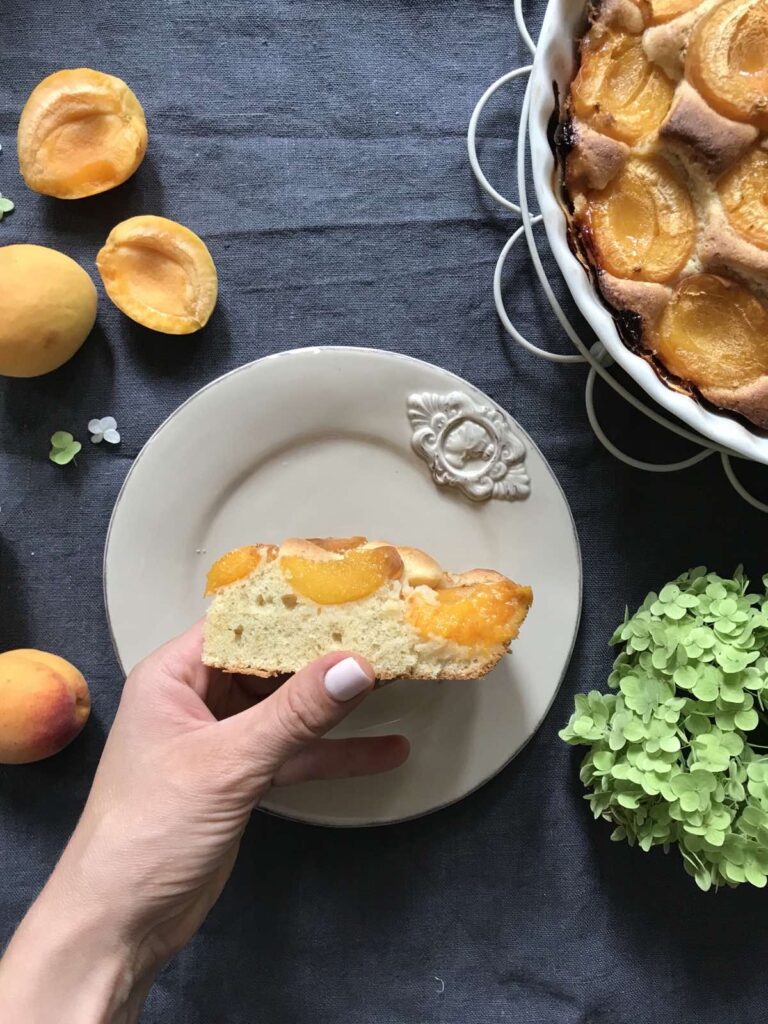
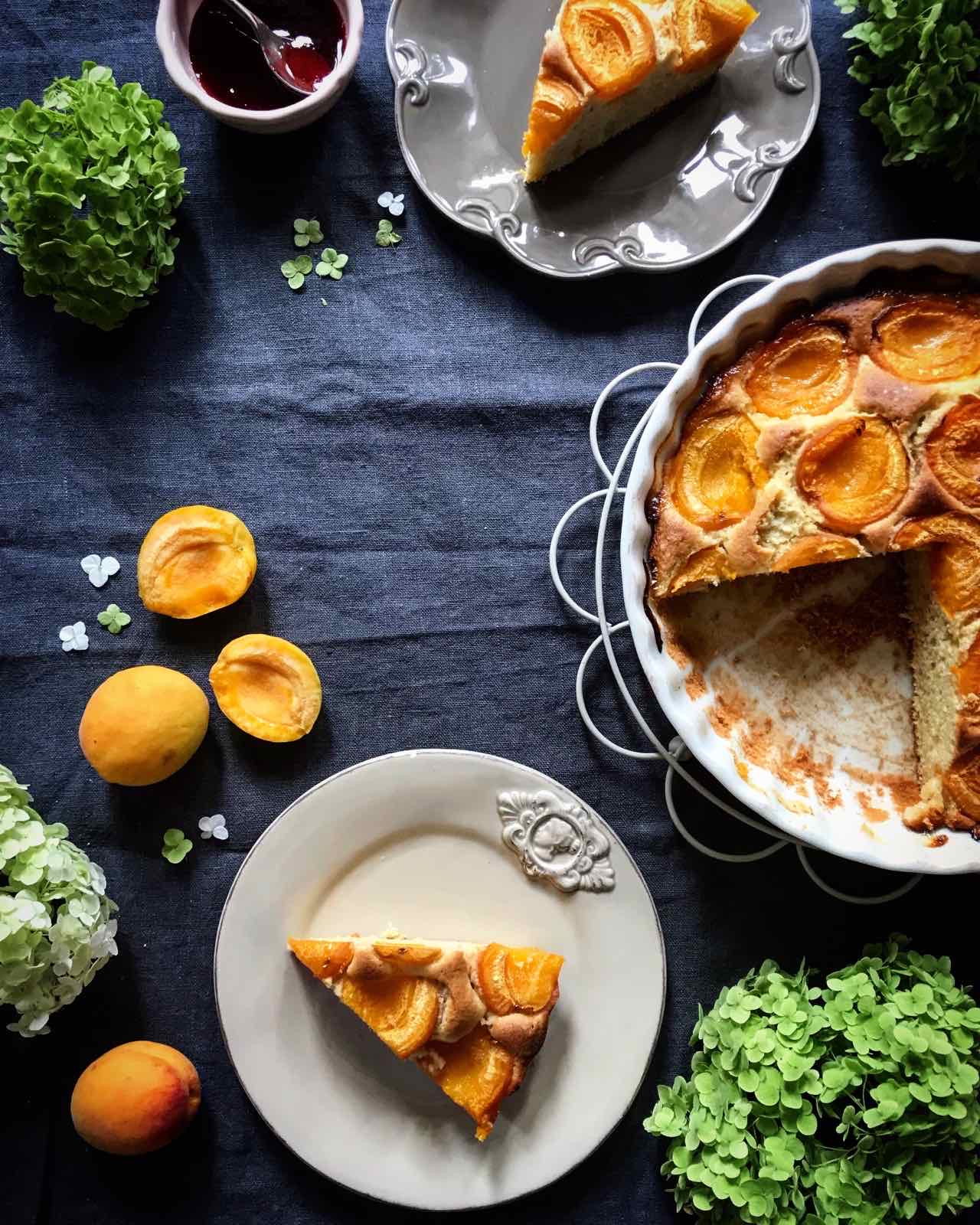
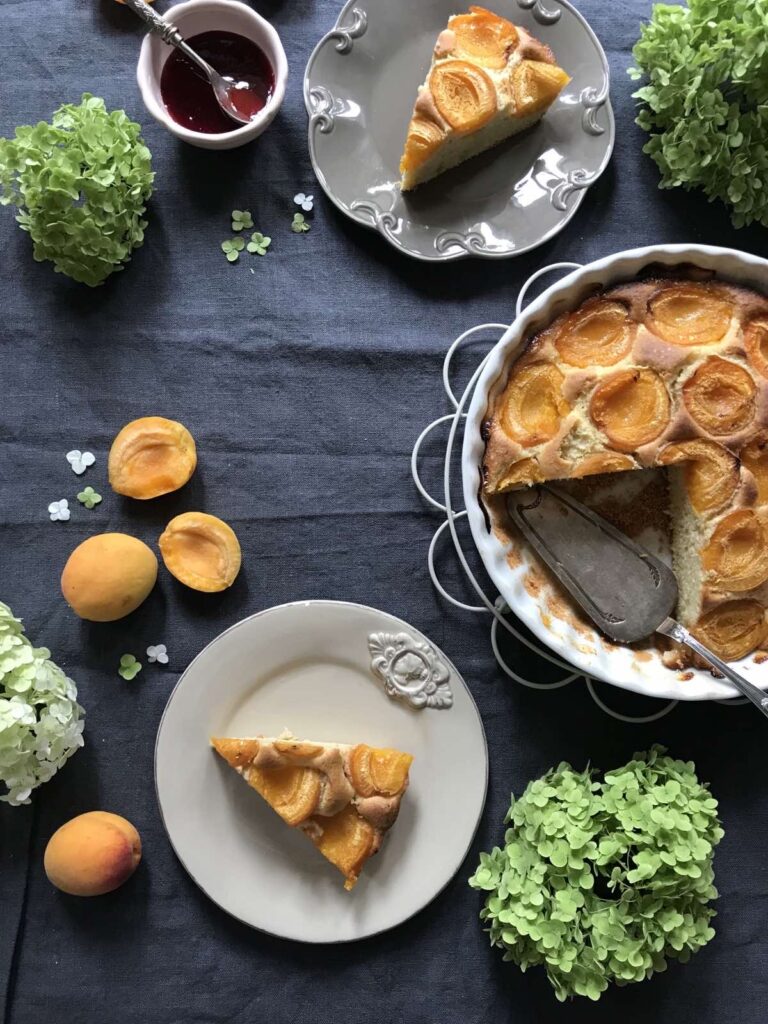
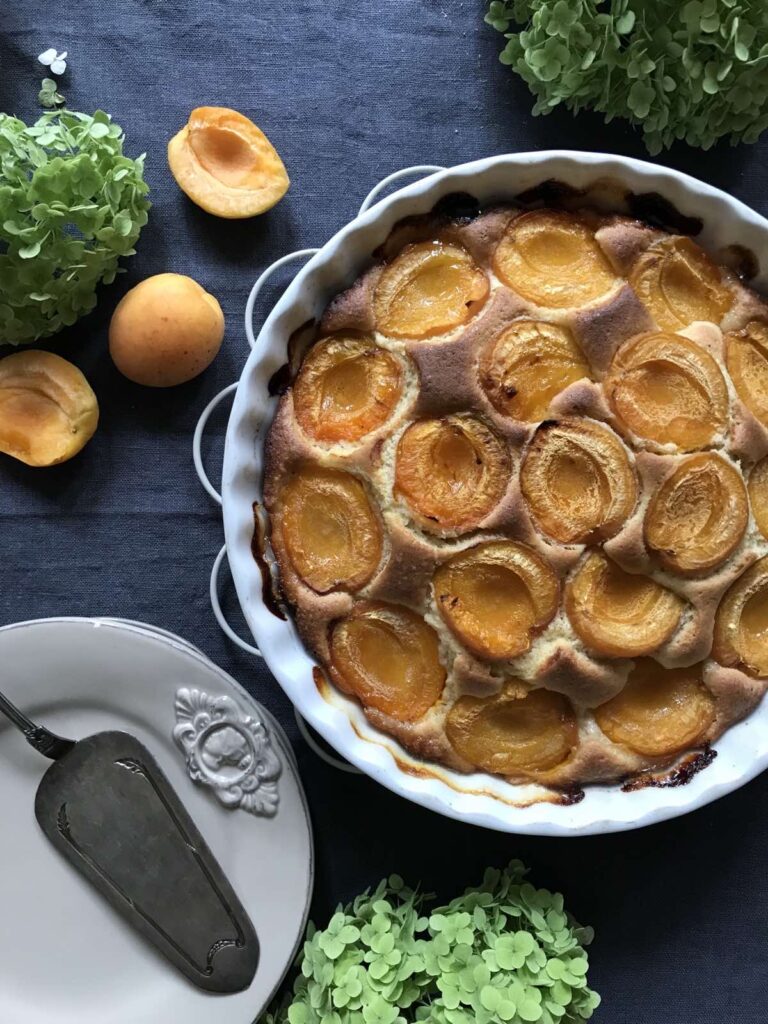
The cake is soft, airy, and not overly sweet, with plenty of juicy apricot halves baked right on top. Instead of all-purpose flour, the batter is made with a combination of oat flour and rice flour.
It is an easy summer cake that looks beautiful enough for a special occasion but is simple enough to make for an afternoon snack.
Why You’ll Love This Fresh Apricot Cake
This recipe is perfect for summer, when ripe fruit is abundant and you want a dessert that feels fresh and seasonal.
The apricots do not need to be chopped or cooked beforehand. Simply halve them, remove the pits, and arrange them over the batter. As the cake bakes, the fruit becomes tender and juicy, and the edges begin to caramelize.
Here are a few more reasons to try it:
- It is made without wheat flour.
- Whipped egg whites give the cake a light, airy texture.
- It is sweet without being overly sugary.
- You can make it with many different seasonal fruits.
- The apricot halves create a beautiful, rustic presentation.
- It is lovely for brunch, dessert, or an afternoon coffee break.
A Note About the Flour
This fresh apricot cake uses 170 grams of flour in total: approximately 60% oat flour and 40% rice flour.
That means you will need:
- 100 grams oat flour
- 70 grams rice flour
Oat flour gives the cake softness and a mild, slightly nutty flavor, while rice flour helps create a lighter crumb. I recommend using both flours rather than replacing the entire amount with rice flour, which can make the cake dry and crumbly.
This recipe is naturally wheat-free. If you need the cake to be completely gluten-free, make sure your oat flour is specifically labeled certified gluten-free. Regular oat flour may be processed in facilities that also handle wheat.
Choosing the Best Apricots
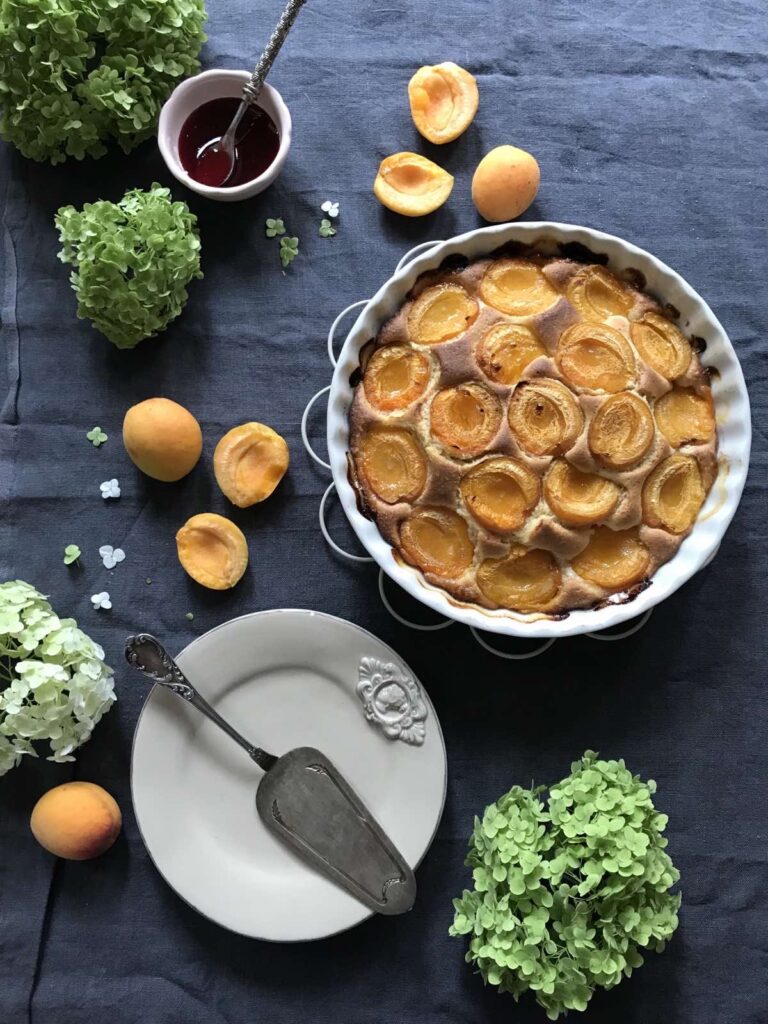
Look for apricots that are ripe and fragrant but still firm enough to hold their shape. Very soft or overripe apricots can release too much juice and make the batter around the fruit overly wet.
Wash the apricots and dry them thoroughly. Cut each one in half and remove the pit.
Arrange the apricot halves on top of the batter with the cut sides facing up. This helps the fruit hold some of its juices as it bakes and also makes the finished cake look especially pretty.
How to Make Fresh Apricot Cake
Begin by separating the egg whites from the yolks. Be careful not to get any yolk into the whites, as even a small amount of fat can prevent them from whipping properly.
In a separate bowl, whisk together the oat flour, rice flour, and baking powder.
Place the egg yolks and sugar in a large mixing bowl. Beat them with an electric mixer for about 5 minutes, until the mixture becomes pale, thick, and fluffy.
Add the softened butter and continue beating until well combined. The butter should be soft but not melted.
Gradually add the flour mixture and mix on low speed just until incorporated.
In a clean, dry bowl, beat the egg whites with a pinch of salt until they hold firm peaks.
Add the whipped egg whites to the batter in several additions. Fold them in gently with a spatula, using upward motions. Avoid stirring too vigorously—you want to preserve the air in the egg whites because it helps the cake rise.
Transfer the batter to a greased 9-inch round baking dish and smooth the surface.
Arrange the apricot halves over the batter, cut side up, pressing them very lightly into the surface.
Bake the cake in a preheated 350°F oven for approximately 40 minutes.
How to Tell When the Cake Is Done
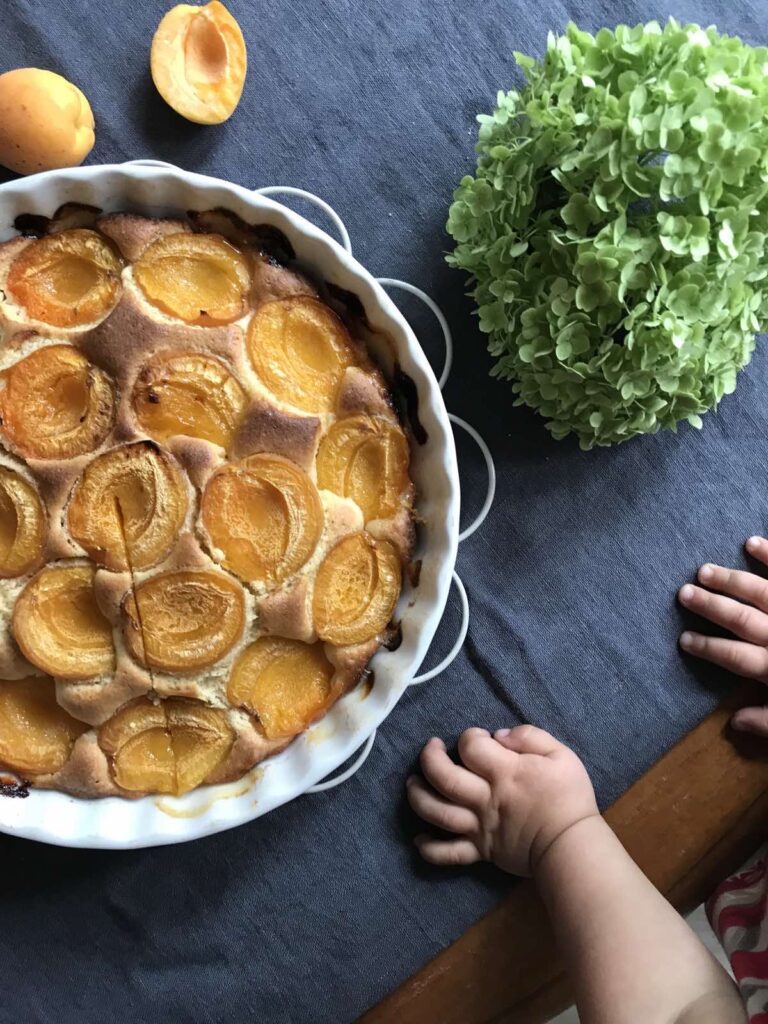
The top of the cake should be golden brown, and the batter between the apricots should look fully risen and set.
Insert a wooden toothpick into a section of cake without fruit. It should come out clean or with just a few moist crumbs attached. Avoid testing directly beside an apricot because the fruit will keep that part of the cake moist.
If the top is browning too quickly, loosely cover the baking dish with aluminum foil and continue baking until the center is done.
Let the cake cool in the pan for 15–20 minutes before slicing. It can be served slightly warm or allowed to cool completely.
Can I Use Other Fruits?
Yes. One of the best things about this recipe is that you can adapt it to whatever fruit is in season.
Instead of apricots, try:
- plums;
- peaches;
- nectarines;
- firm pears;
- apples;
- pitted cherries;
- fresh berries.
Plums are an especially good substitute because their tart flavor balances the sweet, buttery batter beautifully.
If you use very juicy fruit, dry it thoroughly and avoid arranging the pieces too closely together. Too much fruit juice can make the center of the cake soggy.
Fresh Apricot Cake with Oat and Rice Flour
Ingredients
Method
- Preheat the oven to 350°F (180°C). Grease a 9-inch round baking dish with butter.
- Separate the egg whites from the yolks. Place the whites in a clean, dry mixing bowl.
- In a separate bowl, whisk together the oat flour, rice flour, and baking powder.
- Combine the egg yolks and sugar in a large bowl. Beat with an electric mixer for about 5 minutes, until pale, thick, and fluffy.
- Add the softened butter and beat again until well combined.
- Gradually add the flour mixture. Mix on low speed just until incorporated.
- Add a pinch of salt to the egg whites and beat until firm peaks form.
- Add the whipped egg whites to the batter in several additions, gently folding with a spatula after each addition. Do not overmix.
- Transfer the batter to the prepared baking dish and smooth the surface.
- Wash and thoroughly dry the apricots. Cut them in half and remove the pits.
- Arrange the apricot halves over the batter with the cut sides facing up, pressing them very lightly into the surface.
- Bake for approximately 40 minutes, or until the top is golden and a toothpick inserted into a section without fruit comes out clean.
- Allow the cake to cool in the pan for 15–20 minutes before slicing and serving.
Notes
- Choose ripe but firm apricots that will hold their shape during baking.
- The butter should be softened, not melted.
- Fold the egg whites into the batter gently to preserve their volume.
- Test the cake away from the fruit because the areas surrounding the apricots will remain moist.
- If the top browns too quickly, cover the baking dish loosely with aluminum foil.
- Apricots can be replaced with plums, peaches, nectarines, pears, apples, cherries, or berries.
- Use certified gluten-free oat flour if the cake needs to be completely gluten-free.
Serving Suggestions
This fresh apricot cake is delicious on its own, but you can dust the top lightly with powdered sugar before serving.
A warm slice is wonderful with vanilla ice cream, lightly whipped cream, Greek yogurt, or a spoonful of crème fraîche. Once cooled, it is also perfect with coffee or tea.
Because the cake is not overly sweet, it works equally well as a casual summer dessert or as part of a weekend brunch.
More Easy Cake Recipes
If you enjoy simple homemade cakes, try my Peach Upside-Down Cake with Poppy Seeds and Cinnamon. It is another beautiful summer dessert filled with juicy seasonal fruit.
For something richer and more chocolatey, make this moist Chocolate Almond Loaf Cake with cocoa powder and ground almonds.
How to Store Apricot Cake
The cake has its best texture and flavor on the day it is baked. It can be covered and stored at room temperature for up to one day.
For longer storage, refrigerate it in an airtight container for up to 3 days. Let individual slices come to room temperature before serving, or warm them briefly in the microwave.
The cake can also be frozen. Wrap individual slices tightly and place them in a freezer-safe container for up to 2 months. Thaw overnight in the refrigerator or for a few hours at room temperature.
Frequently Asked Questions
Can I make this cake with only oat flour?
You can, although the texture will be slightly denser and the oat flavor will be more pronounced. The combination of oat and rice flour produces a lighter, more delicate crumb.
Can I reduce the sugar?
Yes. You can reduce the sugar to approximately ⅓ cup, or 80 grams, especially if your apricots are very sweet. Keep in mind that sugar also contributes to the cake’s texture, moisture, and golden color.
Why are the egg whites whipped separately?
Whipping the egg whites incorporates air into the batter and gives the cake a softer, lighter texture. This is especially helpful because the recipe does not contain wheat flour or gluten to support the cake’s structure.
Can I use frozen apricots?
Yes, although fresh apricots give the best result. Do not thaw the frozen apricots completely. Remove any visible ice crystals and arrange the frozen halves directly on the batter. The cake may require a few additional minutes in the oven.
Is this fresh apricot cake gluten-free?
It can be. Rice flour is naturally gluten-free, but regular oat flour may come into contact with wheat during processing. Use certified gluten-free oat flour if you are preparing the cake for someone who must avoid gluten.