Learning how to cook bulgur wheat is surprisingly easy. With the right water-to-bulgur ratio and one simple extra step—lightly toasting the grains before adding water—you can make bulgur that is tender, fluffy, and full of flavor every time.
This easy stovetop method for how to cook bulgur wheat requires only five ingredients and about 25 minutes. It is an incredibly versatile side dish that pairs beautifully with chicken, beef, fish, roasted vegetables, or fresh Mediterranean-style salads.
Unlike rice, bulgur cooks quickly and does not require constant attention. Once you know how to cook bulgur wheat the right way, it may become one of your favorite grains to keep in the pantry for quick weeknight meals.
What Is Bulgur Wheat?
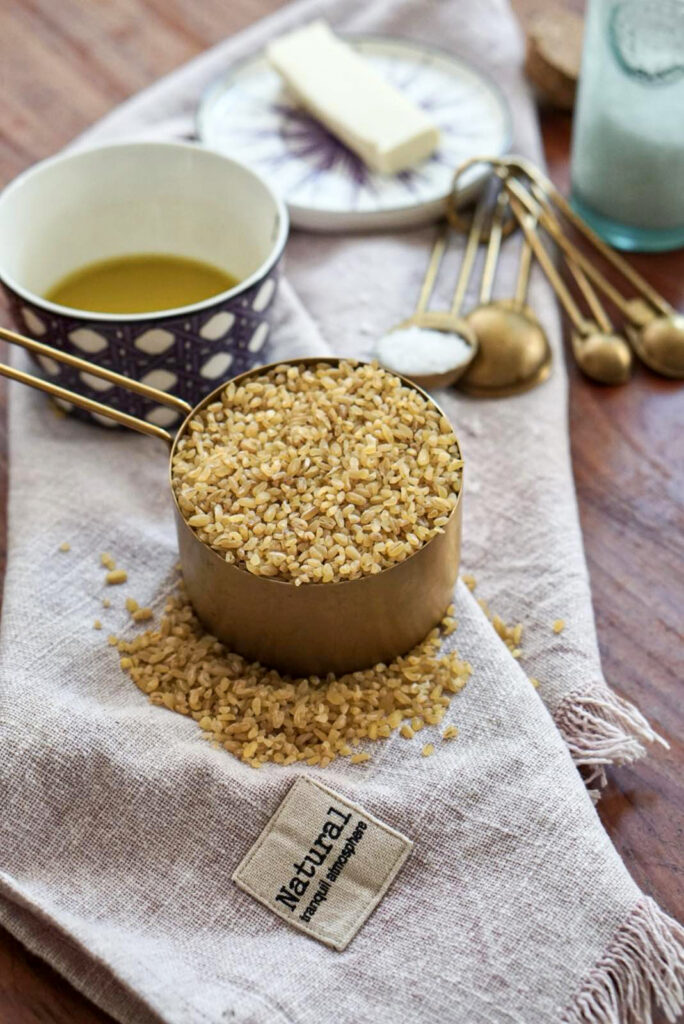
Bulgur is a whole-grain food made from wheat kernels that have been parboiled, dried, and cracked into smaller pieces. Because the wheat is partially cooked before it is packaged, bulgur takes much less time to prepare than many other whole grains.
It has a pleasantly nutty flavor and a tender but slightly chewy texture. Bulgur is commonly used in Middle Eastern and Mediterranean cooking, especially in dishes such as tabbouleh, pilafs, grain bowls, and stuffed vegetables.
You can also serve it just as you would serve rice, quinoa, or couscous.
Why You’ll Love This Bulgur Recipe
- It is ready in about 25 minutes.
- Toasting the bulgur gives it a richer, nuttier flavor.
- The grains remain fluffy and separate rather than becoming sticky.
- It requires only a few simple pantry ingredients.
- Bulgur works with meat, fish, vegetables, salads, and sauces.
- Leftovers reheat well and are perfect for meal prep.
What Does Bulgur Taste Like?
Bulgur has a mild, slightly nutty flavor. It is more flavorful than plain white rice, but neutral enough to pair with many different seasonings and main dishes.
Toasting the grains in butter and olive oil before cooking deepens that natural nutty flavor. It also helps coat the bulgur with fat, producing a more fragrant and flavorful side dish.
What Kind of Bulgur Should I Use?
Bulgur is generally sold in several different grinds:
- Fine bulgur: Usually soaked rather than boiled and commonly used for tabbouleh and similar salads.
- Medium bulgur: A versatile option for pilafs, side dishes, grain bowls, and stuffing.
- Coarse bulgur: Has a heartier, chewier texture and may take a few additional minutes to cook.
- Extra-coarse bulgur: Often used in dishes in which bulgur replaces rice.
For this recipe, use medium or coarse bulgur. Fine bulgur absorbs water very quickly and is better suited for recipes that call for soaking.
Always check the label on your package because cooking times can vary depending on the grind and the brand.
Easy Stovetop Bulgur Wheat
Ingredients
Method
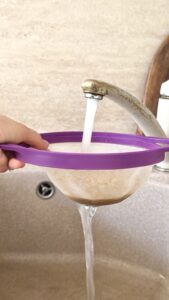
- Place the bulgur in a fine-mesh strainer and rinse it under cool running water.

- Drain it very well before adding it to the pan. Since the bulgur will be added to hot butter and olive oil, removing as much excess water as possible will help prevent splattering.
- Add the butter and olive oil to a medium saucepan or deep skillet.
- Heat over medium heat until the butter has completely melted. Do not allow it to burn.
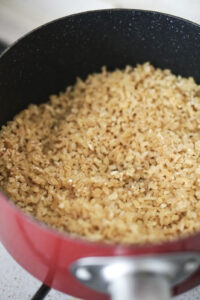
- Add the drained bulgur to the pan.

- Cook for 3–5 minutes, stirring frequently, until the grains are evenly coated with the butter and olive oil and begin to smell lightly nutty.
- Do not skip this step. Toasting gives the finished bulgur a deeper flavor and helps the grains remain separate.
- Carefully pour 2 cups of hot water into the saucepan. Add salt to taste and stir.
- The water may bubble strongly when it touches the hot pan, so pour it in slowly.
- Bring the mixture to a gentle boil. Reduce the heat to low and cover the saucepan with a lid.
- Cook medium bulgur for approximately 12–15 minutes. Coarse bulgur may need up to 18 minutes.
- Try not to lift the lid repeatedly while it cooks. The trapped steam helps the bulgur cook evenly.
- Once the water has been absorbed, remove the saucepan from the heat.
- Keep it covered and let the bulgur rest for 5–10 minutes. During this time, the grains will absorb the remaining steam and become fluffier.
- Remove the lid and gently fluff the bulgur with a fork.
- Taste and add more salt if needed. Serve warm as a side dish or allow it to cool before adding it to salads and grain bowls.
Notes
Bulgur-to-Water Ratio
For medium or coarse bulgur, I use:
1 cup bulgur to 2 cups water
This ratio produces tender bulgur with separate, fluffy grains.
The exact amount of liquid can vary slightly depending on the grind and brand. If your bulgur is still too firm after it has absorbed the water, add 2–3 tablespoons of hot water, cover the pan again, and continue cooking for a few more minutes.
How Long Does Bulgur Take to Cook?
Approximate cooking times are:
- Fine bulgur: usually soaked rather than simmered
- Medium bulgur: 12–15 minutes
- Coarse bulgur: 15–18 minutes
After cooking, allow the bulgur to rest, covered, for another 5–10 minutes. This resting time is important because it allows the texture to finish developing without overcooking the grains.
Do You Have to Rinse Bulgur?
Not every package of bulgur requires rinsing, but I prefer to rinse it before cooking. This removes any fine wheat dust that may remain after processing.
After rinsing, drain the bulgur thoroughly, especially if you plan to toast it in hot oil and butter.
If the package specifically says that the bulgur is prewashed, you can skip this step.
Why Toast Bulgur Before Cooking?
You can cook bulgur by simply simmering it in water, but toasting it first makes a noticeable difference.
Lightly cooking the grains in butter and olive oil:
- Enhances their natural nutty flavor
- Gives the finished dish a richer aroma
- Coats the individual grains
- Helps create a fluffy, non-sticky texture
It takes only a few extra minutes and makes basic bulgur taste much more interesting — a small step that makes a real difference in how to cook bulgur wheat well.
How to Tell When Bulgur Is Done
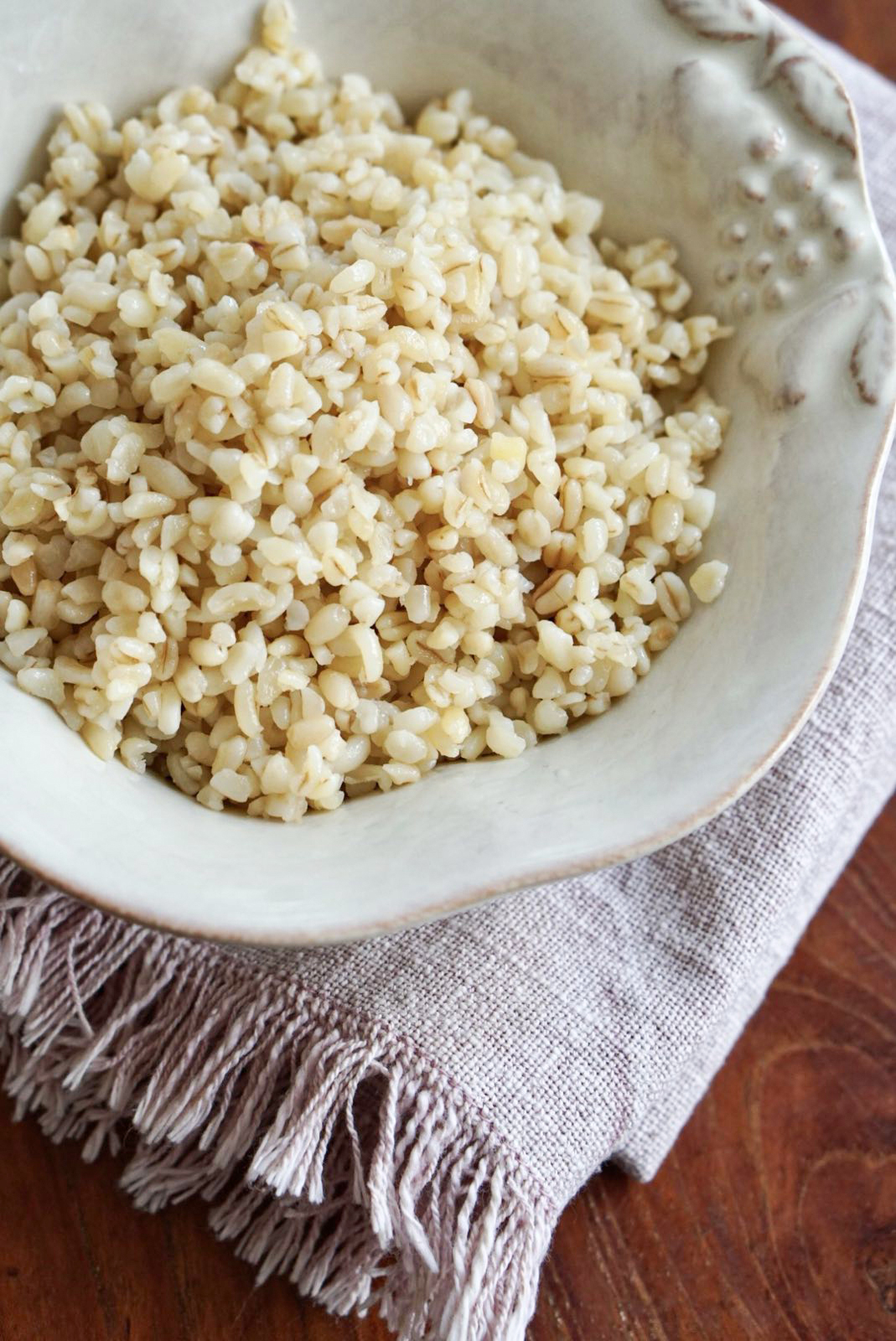
Properly cooked bulgur should be tender but should still have a slight chew. The water should be completely absorbed, and the grains should separate easily when fluffed with a fork.
If there is water remaining in the pan, cover it and continue cooking over low heat for another 2–3 minutes.
If the bulgur is dry but still too firm, add a small amount of hot water and continue cooking until tender.
Avoid cooking it over high heat. The liquid may evaporate before the center of the grains has enough time to soften.
What to Serve With Bulgur
Once you know how to cook bulgur wheat, it becomes an easy replacement for rice or couscous and works with a wide variety of meals.
Serve it with:
- Grilled or baked chicken
- Beef, lamb, or turkey
- Roasted or grilled fish
- Meatballs
- Stewed vegetables
- Roasted eggplant, zucchini, or bell peppers
- Chickpeas or lentils
- Fresh cucumber and tomato salad
- Greek salad
- Hummus and other Mediterranean appetizers
You can also use cooled bulgur as the base for a grain bowl, similar to my vegetable salad bowl. Add vegetables, herbs, feta cheese, chickpeas, and a simple lemon-and-olive-oil dressing.
Easy Flavor Variations
Once you master the basic method, you can easily change the flavor.
Cook It in Broth
Replace the water with chicken or vegetable broth. If the broth is salted, reduce the amount of additional salt.
Add Aromatics
Before adding the bulgur, cook finely chopped onion or garlic in the butter and olive oil until softened.
Add Spices
Season the bulgur with black pepper, paprika, cumin, turmeric, coriander, or dried herbs.
Add Fresh Herbs
After cooking, mix in chopped parsley, dill, cilantro, mint, or green onions.
Add Lemon
A squeeze of fresh lemon juice brightens the flavor and makes the bulgur especially good with fish and vegetables.
Add Vegetables
Fold in roasted vegetables, sautéed mushrooms, spinach, peas, corn, or chopped tomatoes.
How to Store Cooked Bulgur
Allow the cooked bulgur to cool before transferring it to an airtight container.
Store it in the refrigerator for up to four days.
To reheat it on the stovetop, add the bulgur to a small saucepan with 1–2 tablespoons of water. Cover and warm over low heat until heated through.
You can also microwave it in a microwave-safe bowl. Add a splash of water and cover the bowl loosely so that the steam can soften the grains. Knowing how to cook bulgur wheat this way makes leftovers just as easy to enjoy the next day.
Can You Freeze Cooked Bulgur?
Yes. Once completely cooled, place the bulgur in an airtight freezer-safe container or bag. Freeze it for up to two months.
Thaw it overnight in the refrigerator or reheat it directly from frozen with a small amount of water.
Frequently Asked Questions
Is bulgur the same as cracked wheat?
Not exactly. Both are made from wheat kernels, but bulgur is parboiled before it is dried and cracked. Regular cracked wheat has not been precooked and usually takes longer to prepare.
Is bulgur the same as couscous?
No. Bulgur is made from parboiled and cracked wheat kernels. Couscous is a small pasta traditionally made from semolina flour.
Can I cook bulgur in broth?
Yes. Learning how to cook bulgur wheat in broth instead of water is easy: simply replace the water with chicken or vegetable broth in the same amount for more flavor.
Why is my bulgur mushy?
Bulgur may become mushy if too much water is added, if it is cooked for too long, or if fine bulgur is prepared using a method intended for medium or coarse grains.
Why is my bulgur still hard?
It may need more liquid or a longer cooking time. Add a few tablespoons of hot water, cover the pan, and cook for another 2–3 minutes.
Can I make this recipe vegan?
Yes. Replace the butter with additional olive oil or use a plant-based butter.
Is bulgur gluten-free?
No. Bulgur is made from wheat and contains gluten.
How to Cook Bulgur Wheat: Recipe Tips
- Use medium or coarse bulgur for this stovetop method.
- Drain the bulgur thoroughly after rinsing.
- Toast the grains for the best flavor.
- Add hot rather than cold water.
- Cook over low heat once the water begins to boil.
- Keep the lid closed while the bulgur cooks.
- Let it rest for at least 5 minutes before fluffing.
- Use a fork rather than a spoon to separate the cooked grains.