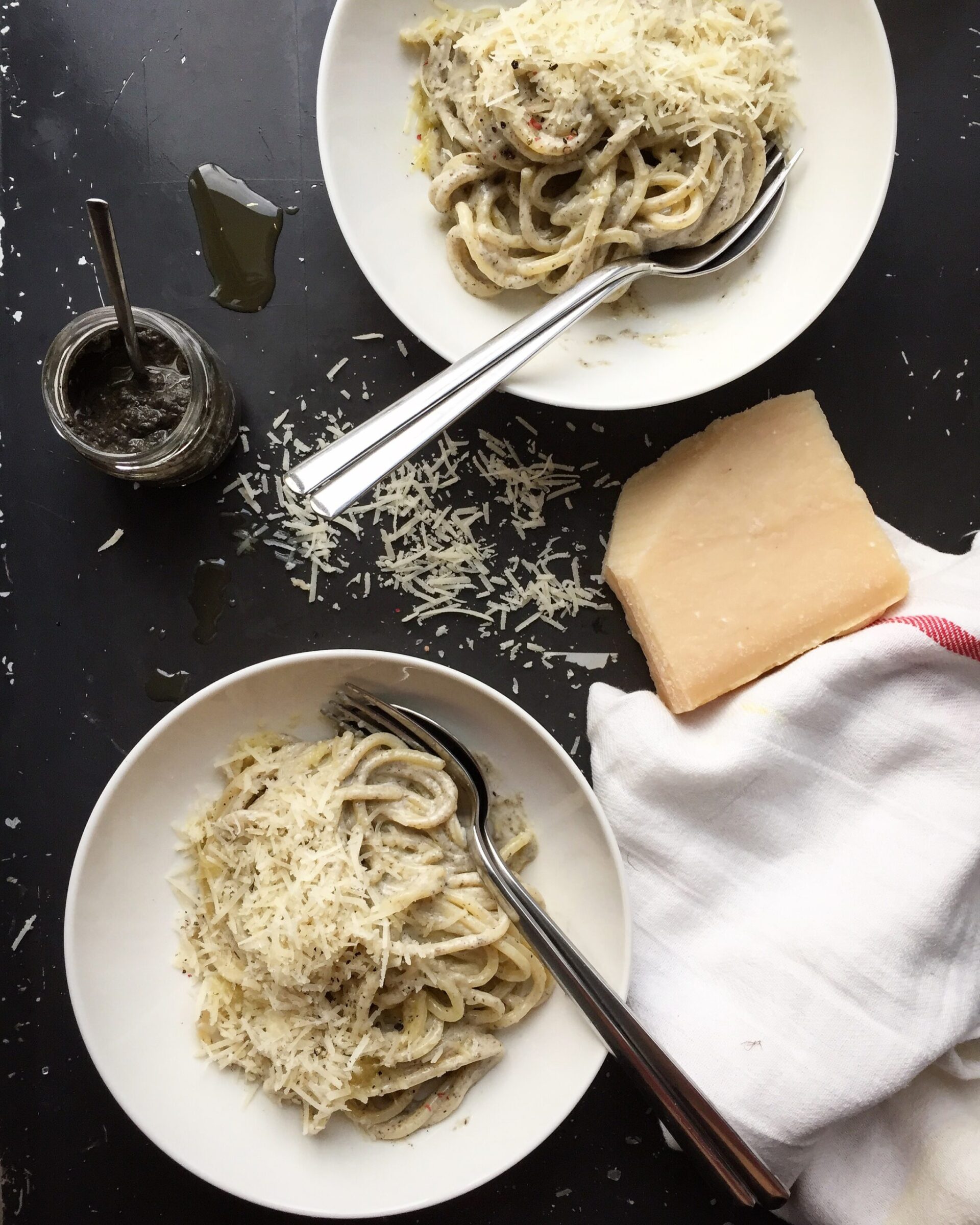
This creamy truffle pasta combines al dente pasta with a silky Parmesan cream sauce and aromatic truffle paste. It tastes like a restaurant-style dinner, yet it comes together at home in about 20 minutes with only a handful of ingredients.
I began testing versions of this creamy truffle pasta in 2016 and have made it regularly ever since. Over the years, I’ve adjusted the proportions and refined the technique to create a consistently smooth, creamy sauce with a balanced truffle flavor. This recipe is the version I ultimately settled on after years of making it at home.
The key is to reserve some pasta water, keep the heat low, and add the truffle paste toward the end. This preserves its earthy aroma while the Parmesan, butter, and cream create a rich sauce that coats every strand of pasta.
Why You’ll Love This Recipe
- Ready in about 20 minutes
- Made with easy-to-find refrigerated and pantry ingredients
- Rich and creamy without a complicated technique
- Uses jarred truffle paste instead of expensive fresh truffles
- Easy enough for a weeknight but special enough for date night
- The sauce can be adjusted with reserved pasta water
What Is Truffle Paste?
Truffle paste is a ready-made condiment usually prepared with mushrooms, truffles, oil, herbs, and seasonings. Depending on the brand, it may also be labeled as truffle spread, truffle sauce, salsa tartufata, or crema al tartufo.
The flavor and salt level can vary considerably between brands. Taste your truffle paste before adding it to the sauce. Start with 2 tablespoons, then add more if you want a stronger flavor.
Truffle paste and truffle oil are not the same thing. The paste adds texture and a savory mushroom flavor, while truffle oil mainly contributes aroma. For the best balance, use the paste in the sauce and add just a few drops of truffle oil before serving.
Ingredients You’ll Need
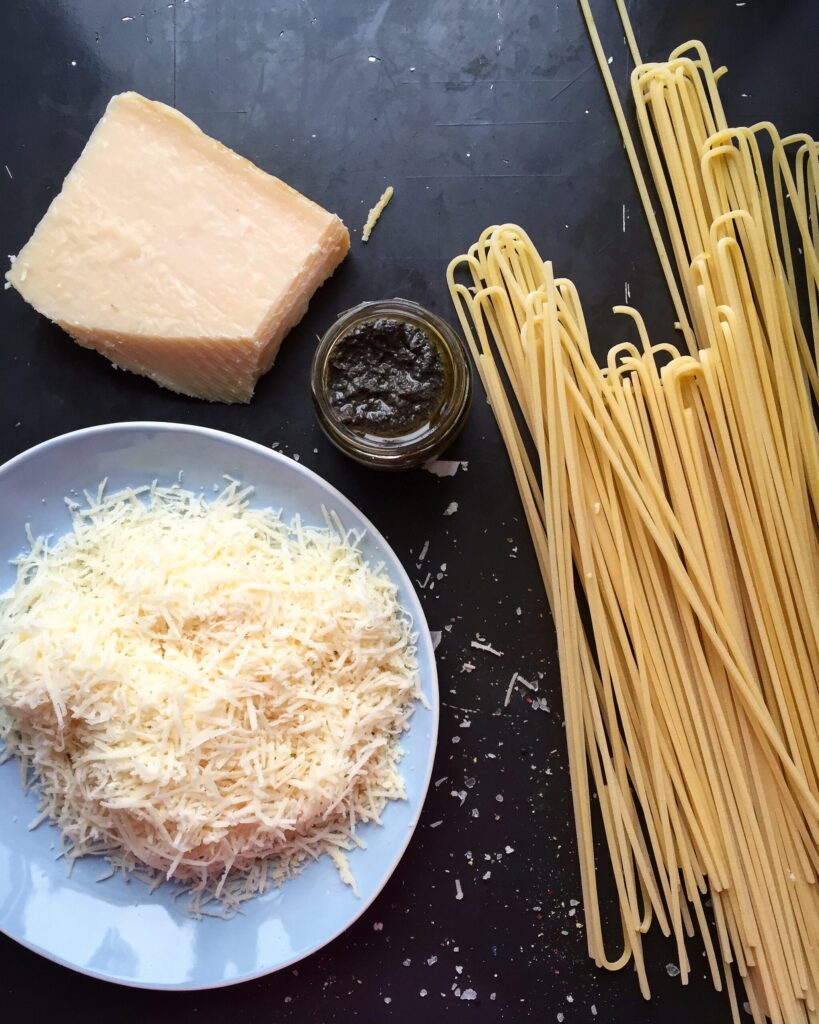
- Pasta: Tagliatelle, fettuccine, linguine, pappardelle, and spaghetti all work well.
- Truffle paste: Look for truffle spread or salsa tartufata in jars.
- Heavy cream: Creates the smooth base of the sauce.
- Unsalted butter: Adds richness and helps the sauce coat the pasta.
- Parmesan: For the smoothest sauce, grate it fresh from a block.
- Truffle oil: Optional, but a few drops can intensify the aroma.
- Salt and black pepper: Add these carefully because Parmesan and truffle paste may already be salty.
Choosing the Best Pasta
Long pasta shapes work especially well with this sauce. Tagliatelle, fettuccine, and pappardelle provide a wide surface that holds the creamy sauce, while linguine and spaghetti are convenient alternatives.
Use good-quality dried pasta and cook it only until al dente. It will continue to soften slightly when tossed with the hot sauce.
How to Make Creamy Truffle Pasta
- Bring a large pot of generously salted water to a boil. Keep in mind that the Parmesan and truffle paste will also add salt to the finished dish.
- Add the pasta and cook until al dente according to the package directions.
- Before draining, reserve approximately ⅔ cup of the pasta cooking water. The starch in this water helps the sauce emulsify and cling to the pasta.
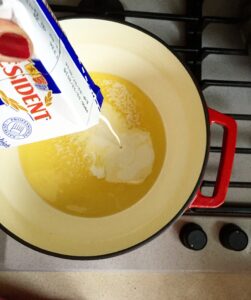
- While the pasta cooks, melt the butter in a large skillet over low heat.
- Add the heavy cream and warm it gently for 2–3 minutes. Do not let the cream reach a rapid boil.
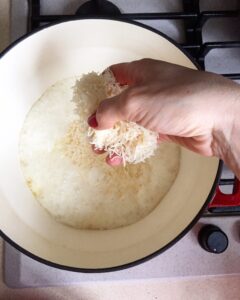
- Gradually add half of the finely grated Parmesan. Stir continuously until the cheese has melted into the cream.
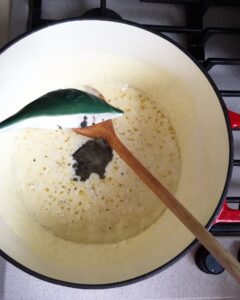
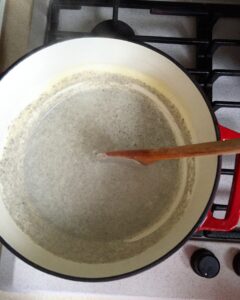
- Stir in 2 tablespoons of truffle paste and a few grinds of black pepper. Taste the sauce, then add another tablespoon of truffle paste if you prefer a stronger flavor.
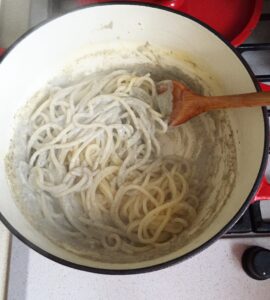
- Transfer the drained pasta directly to the skillet. Add about ¼ cup of the reserved pasta water and toss until every strand is coated.
- If the sauce is too thick, add more pasta water, 1 tablespoon at a time, until it reaches your preferred consistency.
- Remove the skillet from the heat and stir in the remaining Parmesan. Taste and add salt only if needed.
- Finish with a few drops of truffle oil, if using. Serve immediately with extra Parmesan and freshly ground black pepper.
Tips for a Smooth Truffle Cream Sauce
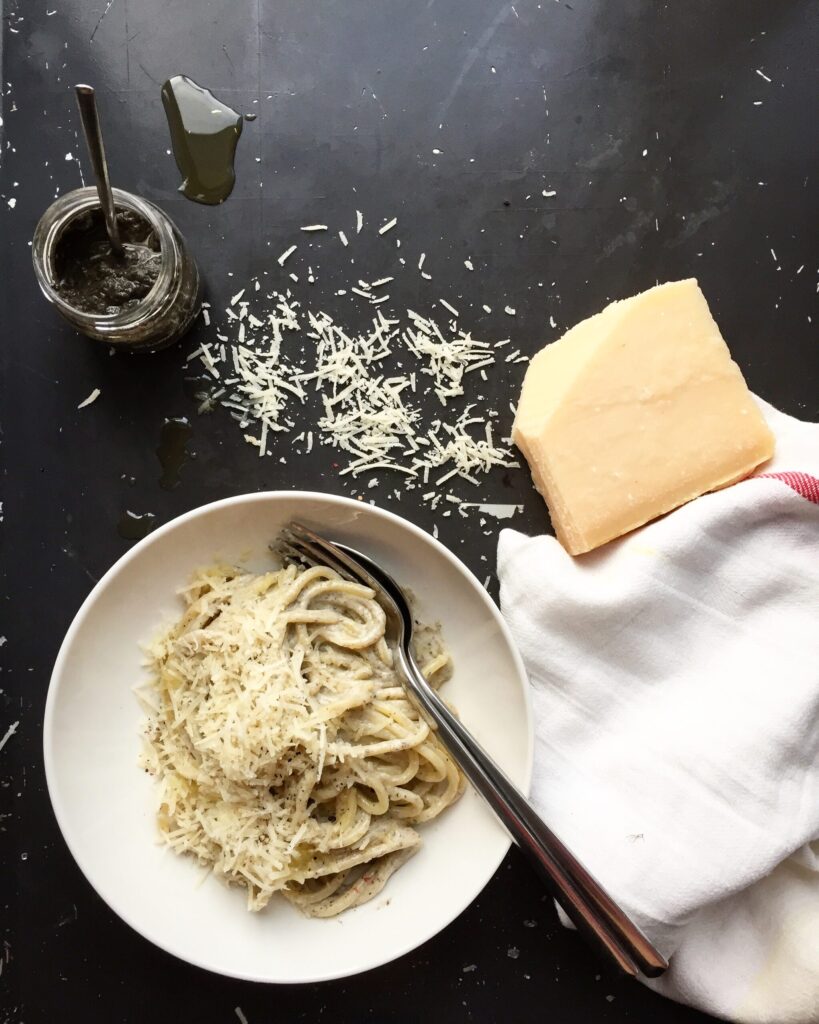
Keep the heat low
High heat can cause the cream to separate and the Parmesan to form clumps. Warm the sauce gently and remove the skillet from the heat before adding the final portion of cheese.
Grate the Parmesan yourself
Freshly grated Parmesan melts more evenly than packaged pre-shredded cheese, which may contain anti-caking ingredients.
Save the pasta water
The starchy cooking water helps bring the butter, cream, and Parmesan together. It is also the easiest way to thin the sauce without diluting its flavor.
Add truffle paste near the end
Prolonged cooking can weaken the truffle aroma. Stir the paste into the sauce shortly before adding the pasta.
Serve immediately
Cream-based pasta sauces thicken as they cool. This dish has the best texture when served directly from the skillet.
Variations and Substitutions
- Different pasta: Use any long pasta or a short shape such as rigatoni or penne.
- Pecorino Romano: Replace some of the Parmesan with Pecorino for a sharper, saltier flavor.
- Mushrooms: Sauté sliced cremini mushrooms in butter before adding the cream.
- Lighter sauce: Use half-and-half, but keep the heat very low because it is more likely to separate.
- Without cream: Combine butter, Parmesan, truffle paste, and starchy pasta water. The result will be lighter but still flavorful.
What to Serve with Truffle Pasta
Because the pasta is rich, serve it with something fresh and simple:
- Arugula salad with lemon vinaigrette
- Roasted asparagus
- Steamed broccoli or green beans
- A simple tomato salad
- Garlic bread for a more indulgent dinner
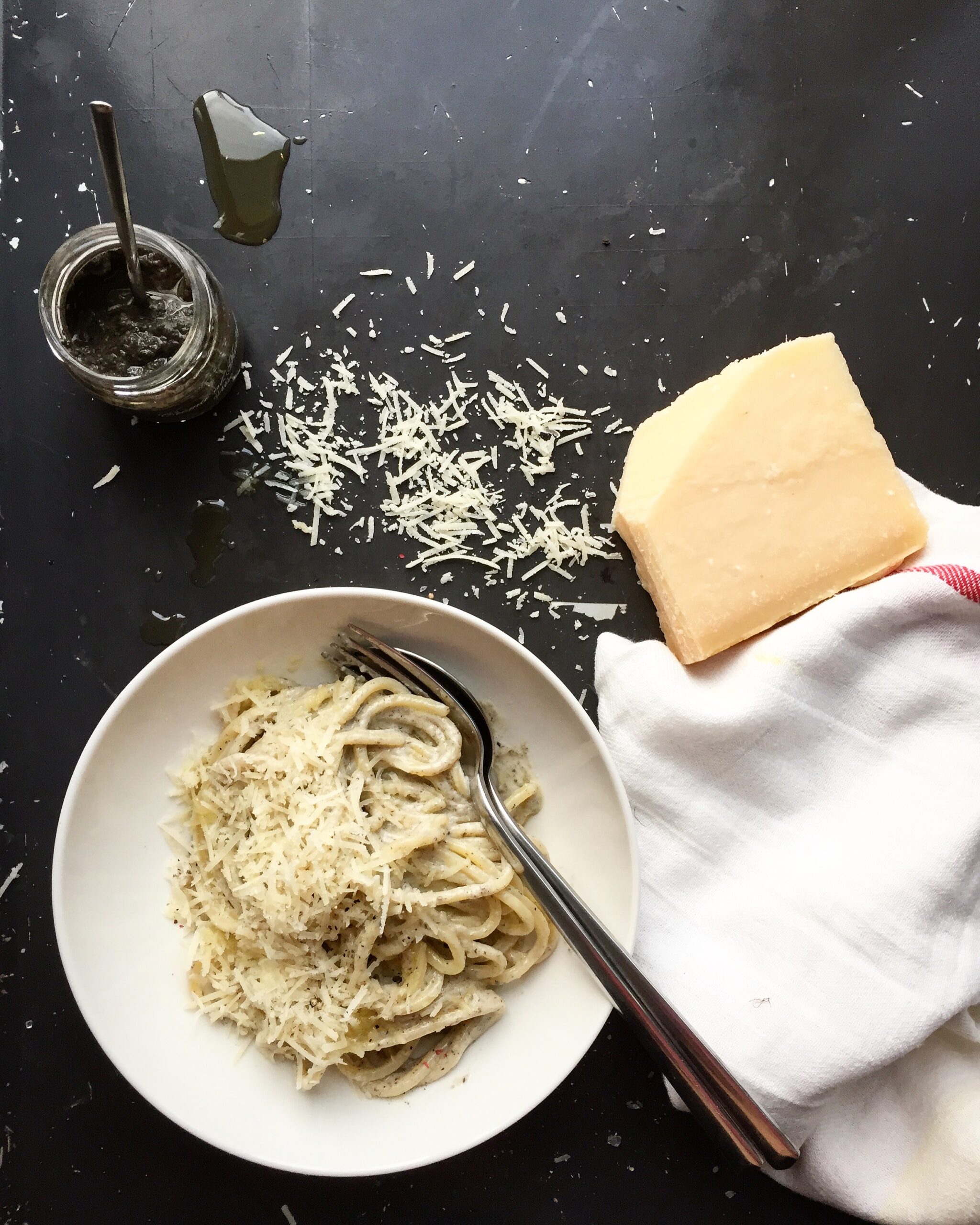
Creamy Truffle Pasta with Parmesan
Ingredients
Method
- Bring a large pot of salted water to a boil. Cook the pasta until al dente according to the package directions.
- Before draining, reserve approximately ⅔ cup (150 ml) of the pasta cooking water.
- While the pasta cooks, melt the butter in a large skillet over low heat.
- Add the heavy cream and warm gently for 2–3 minutes without bringing it to a rapid boil.

- Gradually add half of the Parmesan, stirring until the cheese melts into the sauce.

- Stir in 2 tablespoons of truffle paste and season with black pepper. Taste and add the remaining truffle paste and salt if needed.
- Transfer the drained pasta to the skillet. Add ¼ cup of the reserved pasta water and toss until the sauce evenly coats the pasta.
- If the sauce is too thick, add more pasta water, 1 tablespoon at a time.
- Remove the skillet from the heat and stir in the remaining Parmesan. Add a few drops of truffle oil, if desired.

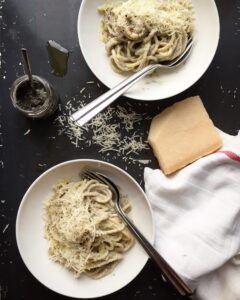
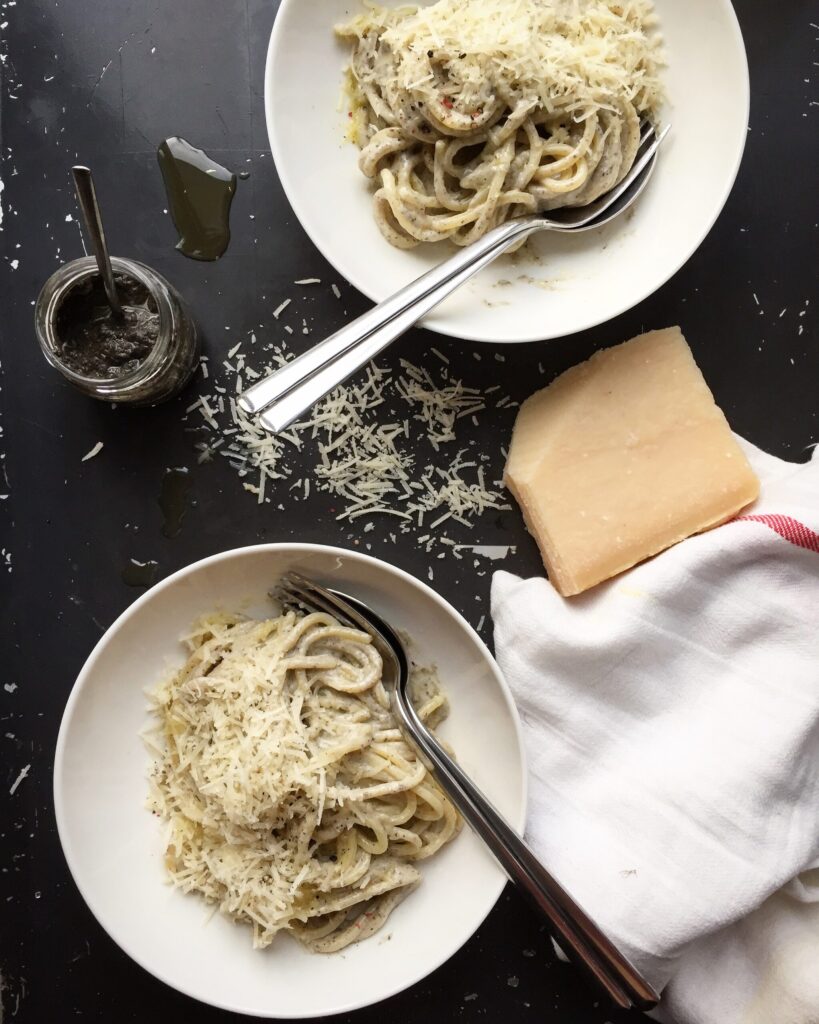
- Serve immediately with additional Parmesan and freshly ground black pepper.
Notes
- Taste the truffle paste before seasoning because it may already contain salt.
- Keep the heat low to prevent the cream from separating.
- Use freshly grated Parmesan for a smoother sauce.
- Do not discard the pasta water—it helps emulsify and loosen the sauce.
- Add the truffle paste near the end to preserve its aroma.
- Serve immediately because the sauce thickens as it cools.
- Nutrition information is an estimate and will vary depending on the cream, butter, Parmesan, and truffle spread used.
Storage and Reheating
Creamy truffle pasta is best served immediately, but leftovers can be refrigerated in an airtight container for up to 2 days.
Reheat it gently in a skillet over low heat. Add 1–2 tablespoons of cream, milk, or water to loosen the sauce. Avoid overheating, as this can cause the sauce to separate and weaken the truffle aroma.
Freezing is not recommended because the cream and Parmesan sauce may become grainy after thawing.
Frequently Asked Questions
What kind of truffle paste should I use?
Use a jarred black truffle paste, truffle spread, or salsa tartufata. Check the ingredient list because some brands contain more mushrooms and oil than actual truffle.
How much truffle paste should I add?
For 11 ounces or 320 grams of pasta, start with 2 tablespoons. Taste the sauce and add a third tablespoon if you want a more pronounced truffle flavor.
When should truffle paste be added to pasta sauce?
Add it toward the end of cooking and warm it gently for no more than a minute. High heat and prolonged cooking can reduce its aroma.
Can I substitute truffle oil for truffle paste?
Truffle oil can add aroma, but it does not provide the same savory flavor or texture. If you do not have truffle paste, make a mushroom cream sauce and finish it with a few drops of truffle oil.
Can I make truffle pasta without heavy cream?
Yes. Toss the pasta with butter, Parmesan, truffle paste, and enough pasta water to create a smooth sauce. It will be lighter and less creamy than this version.
Why did my Parmesan clump?
The sauce was probably too hot, or the cheese was added too quickly. Keep the heat low, grate the Parmesan finely, and add it gradually while stirring.
Why is my truffle sauce too thick?
Parmesan cream sauce naturally thickens as it cools. Stir in a small amount of hot pasta water until the sauce loosens and coats the pasta evenly.
Can I make the sauce ahead of time?
It is best made immediately before serving. If prepared ahead, it may thicken or separate during reheating. Fortunately, the sauce takes only a few minutes to make while the pasta cooks.
Is truffle oil required?
No. A flavorful truffle paste may provide enough aroma on its own. If using truffle oil, add only a small amount after removing the skillet from the heat.