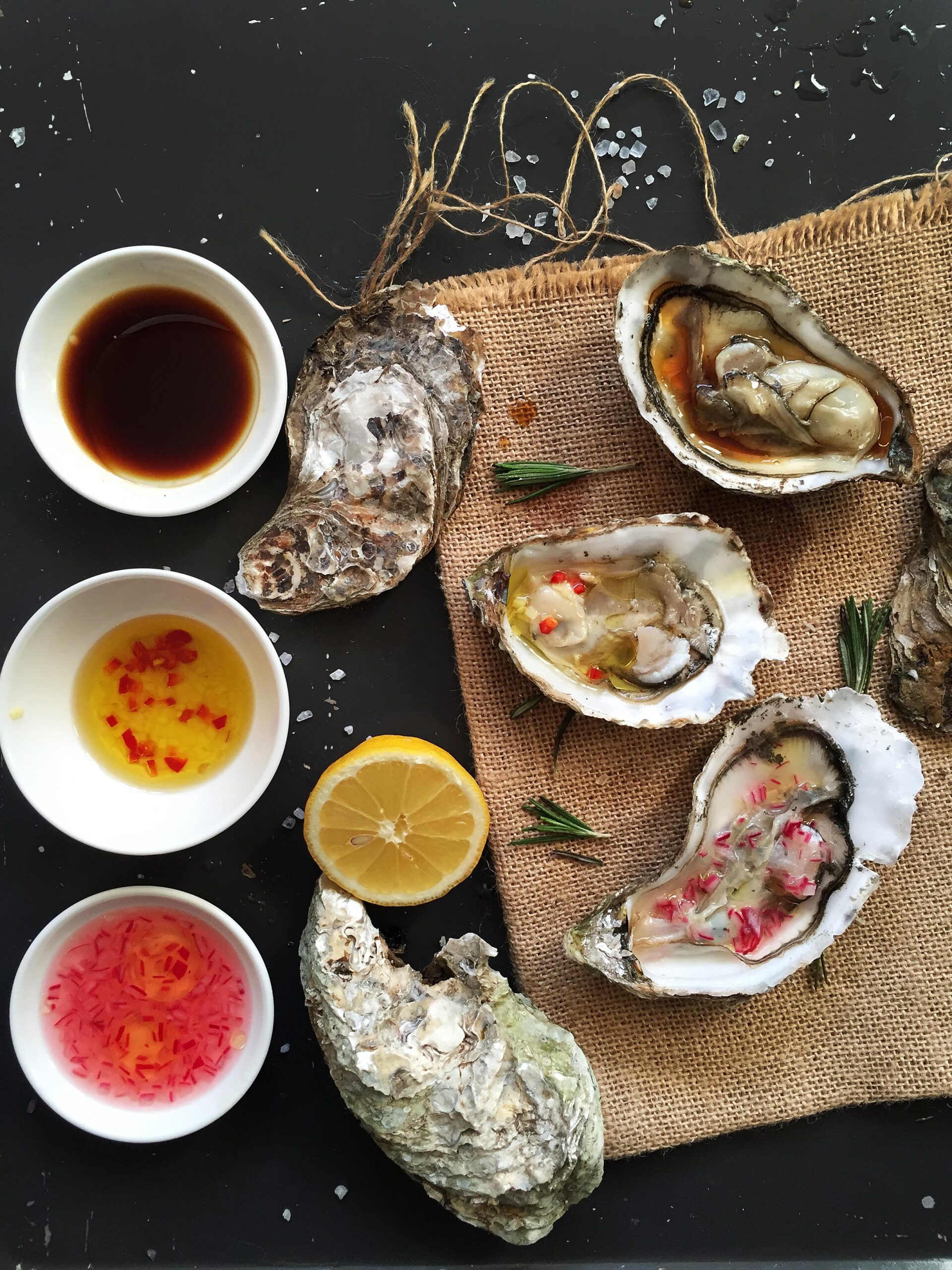
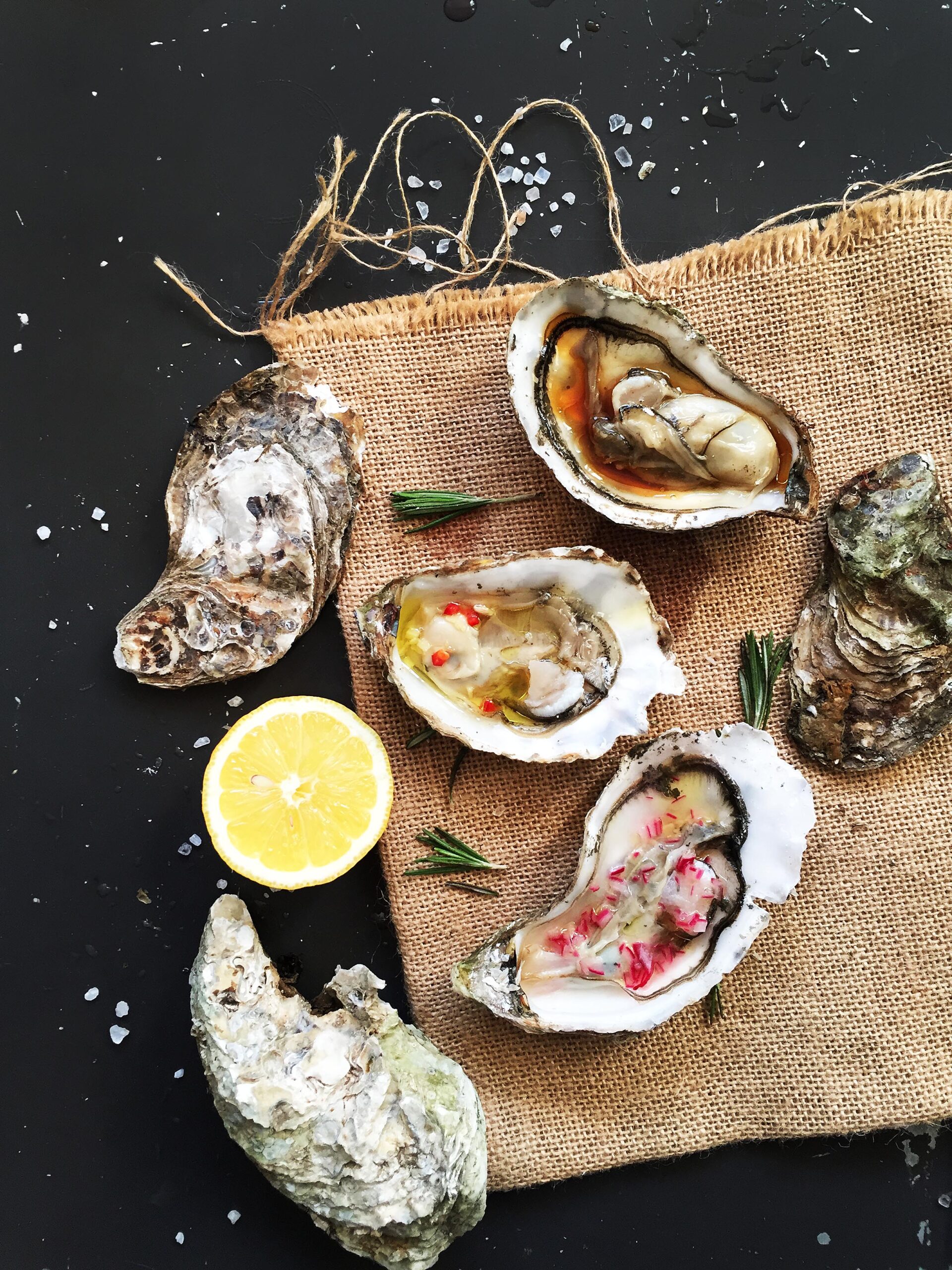
These three easy sauces for oysters bring out the fresh, briny flavor of raw oysters without overpowering them. Choose a classic red onion mignonette, a bright lemon ginger sauce with red chili, or a savory soy sauce dressing with fresh lemon.
Each of these sauces for oysters requires only a few ingredients and takes approximately two minutes to prepare. Serve one sauce with a small plate of oysters or make all three for a restaurant-style oyster tasting at home.
Whether you prefer tangy, spicy, or savory flavors, these sauces for oysters will help you find a topping to match your taste.
Three Sauces for Oysters at a Glance
Lemon Ginger Sauce
Bright, citrusy, and gently spicy. This is a great choice if you enjoy fresh ginger, red chili, and vibrant flavors.
Soy Sauce with Lemon
Savory and rich in umami with just enough citrus acidity. This is the simplest option and requires only three ingredients.
Mignonette Sauce
Tangy, fresh, and elegant. White wine vinegar and finely chopped red onion make this a wonderful choice for a classic oyster platter.
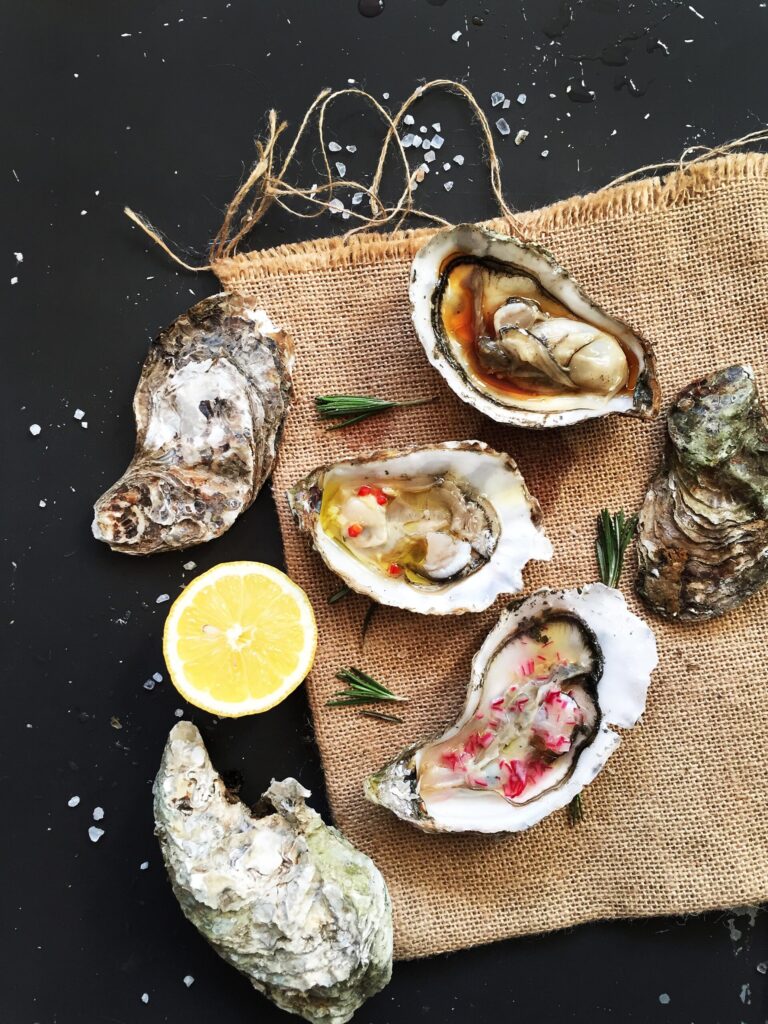
Why You’ll Love These Sauces for Oysters
- All three recipes are quick and easy.
- No cooking is required.
- Each sauce contains only three to five ingredients.
- They can be prepared ahead of time.
- You can adjust the acidity and heat to taste.
- The recipes are easy to double for parties.
- Offering three sauces creates an impressive oyster tasting platter.
Which Sauce Is Best for Oysters?
The best sauce depends on the flavor of the oysters and your personal preference.
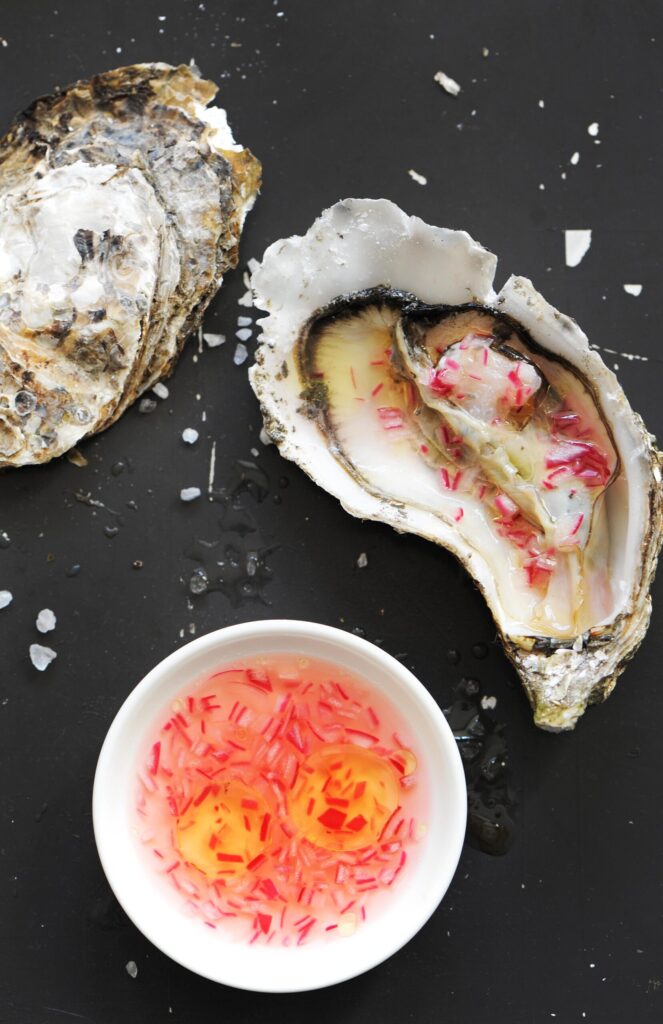
Choose mignonette sauce if you want a traditional, tangy accompaniment. The wine vinegar brightens the oysters, while finely chopped red onion adds color and texture.
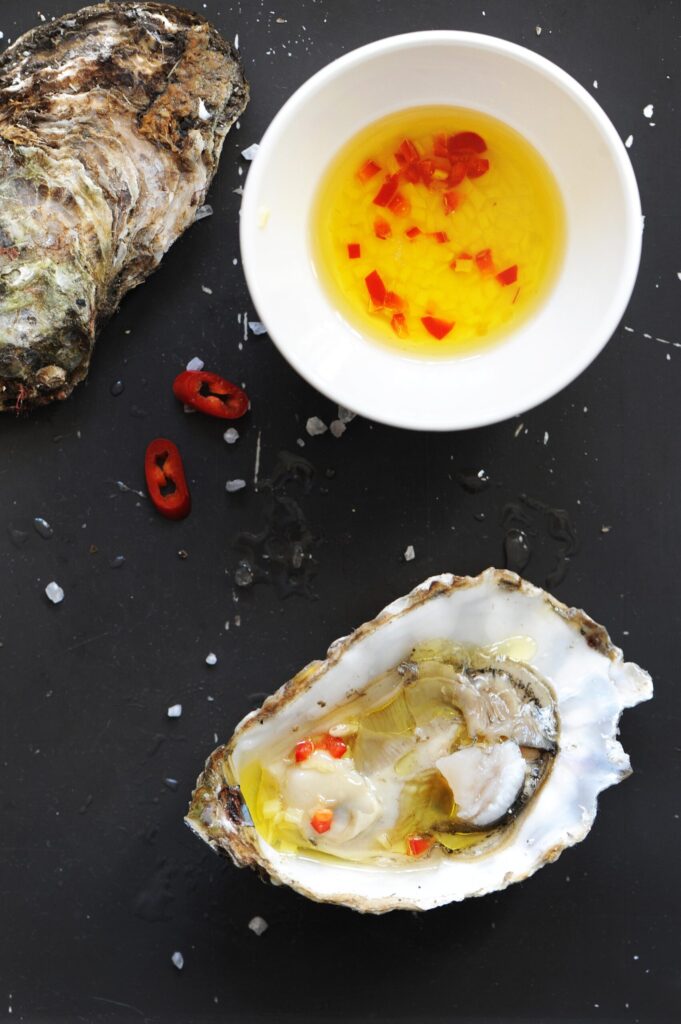
Choose lemon ginger sauce if you want something fresh, citrusy, and slightly spicy. Ginger and red chili add flavor without making the sauce feel heavy.
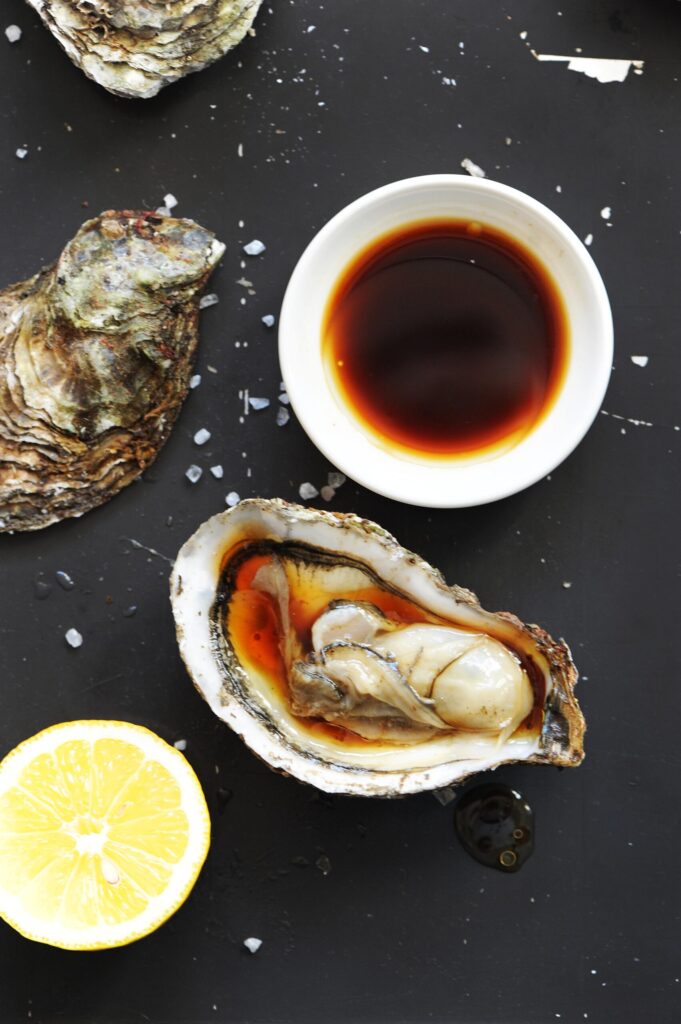
Choose soy sauce with lemon if you prefer a savory, umami-rich topping. This sauce is especially good for anyone who enjoys Asian-inspired seafood flavors.
If you cannot decide, prepare all three. Each recipe makes a small quantity, so creating a complete oyster tasting requires very little additional work.
1. Lemon Ginger Sauce for Oysters
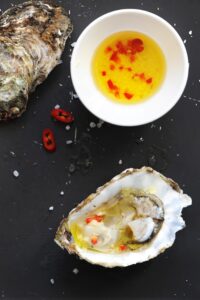
This lemon ginger sauce is bright and refreshing, with gentle heat from fresh red chili. Olive oil softens the acidity of the lemon, while grated ginger adds warmth and aroma.
It is a particularly good choice for clean, briny oysters because the fresh citrus flavor enhances their natural taste.
Ingredients
- 2 teaspoons extra-virgin olive oil
- 2 teaspoons freshly squeezed lemon juice
- 1 teaspoon finely grated fresh ginger
- 1 teaspoon finely chopped red chili pepper
- 1 small pinch of salt, or to taste
How to Make It
Remove the seeds and membranes from the chili if you prefer a milder sauce. Finely chop the pepper.
Combine the olive oil, lemon juice, grated ginger, red chili, and a small pinch of salt in a bowl. Whisk until well combined.
Spoon a small amount over each freshly shucked oyster and serve immediately.
For ingredient tips, substitutions, and serving ideas, see the complete lemon ginger sauce for oysters recipe.
2. Soy Sauce for Oysters with Lemon
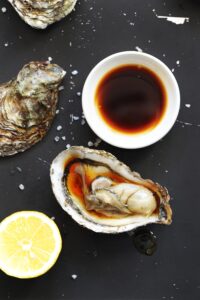
This three-ingredient sauce combines savory soy sauce with fresh lemon juice and extra-virgin olive oil.
Soy sauce brings umami, lemon adds fresh acidity, and olive oil rounds out the flavor. Because oysters are already naturally salty, reduced-sodium soy sauce is an excellent option.
Ingredients
- 1 teaspoon soy sauce, regular or reduced-sodium
- 1 teaspoon extra-virgin olive oil
- 1 teaspoon freshly squeezed lemon juice
How to Make It
Add the soy sauce, olive oil, and lemon juice to a small bowl. Whisk until combined.
Spoon approximately ½ teaspoon over each oyster. Begin with a small amount because the salinity of oysters can vary considerably.
Find substitutions, spicy variations, and more serving suggestions in my complete soy sauce for oysters with lemon recipe.
3. Mignonette Sauce for Oysters
Mignonette is one of the most familiar accompaniments for oysters on the half shell. Its acidity cuts through the richness of the oyster and provides a fresh contrast to its briny flavor.
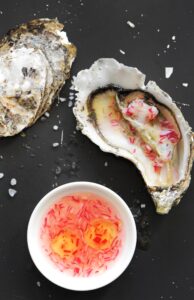
My simple version combines white wine vinegar, red onion, and olive oil. Traditional mignonette does not always contain oil, but I like adding it because it softens the acidity and creates a smoother dressing.
Ingredients
- 1 tablespoon white wine vinegar
- 1 tablespoon extra-virgin olive oil
- 1 tablespoon red onion, very finely chopped
How to Make It
Finely chop the red onion and place it in a small bowl. Add the white wine vinegar and olive oil, then stir well.
You can serve it immediately or let it rest for 10–15 minutes so the onion becomes milder.
Spoon a small amount of the mignonette over each freshly shucked oyster.
For vinegar substitutions, variations, and preparation tips, visit my complete mignonette sauce for oysters recipe.
How Much Sauce Should You Add to an Oyster?
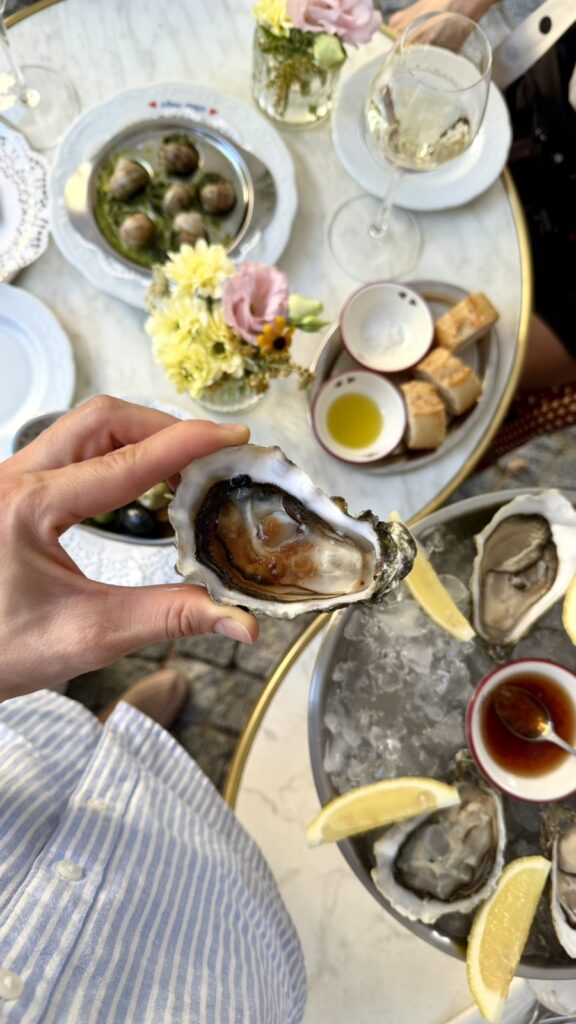
Begin with approximately ½ teaspoon of sauce per oyster. This is usually enough to add flavor without covering the oyster’s natural taste.
Oysters vary in size, sweetness, and salinity. Taste one oyster with a small amount of sauce before adding more to the rest of the platter.
You can also place these sauces for oysters in small individual bowls, letting everyone choose their favorite and control how much they add.
How to Create an Oyster Tasting Platter
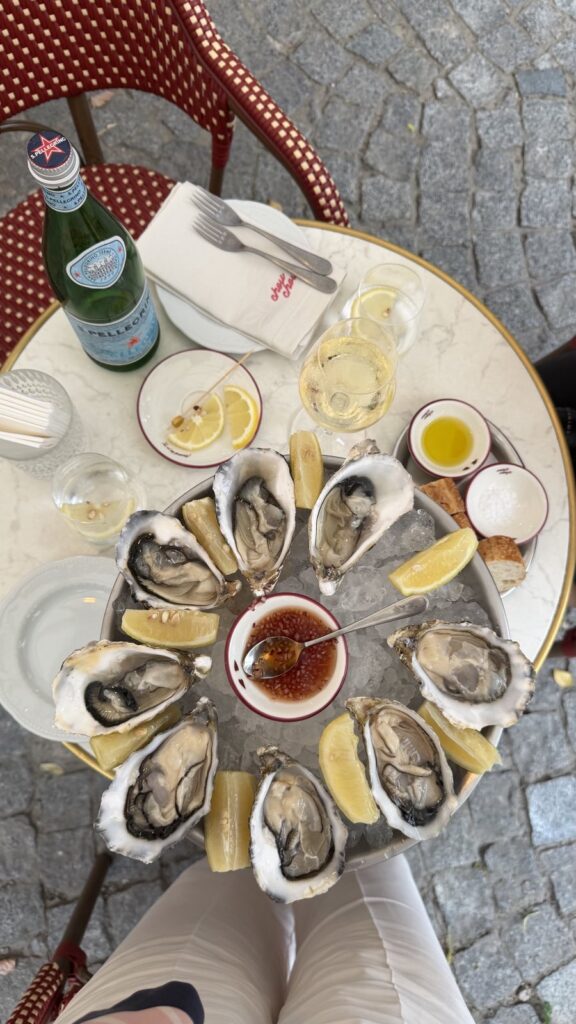
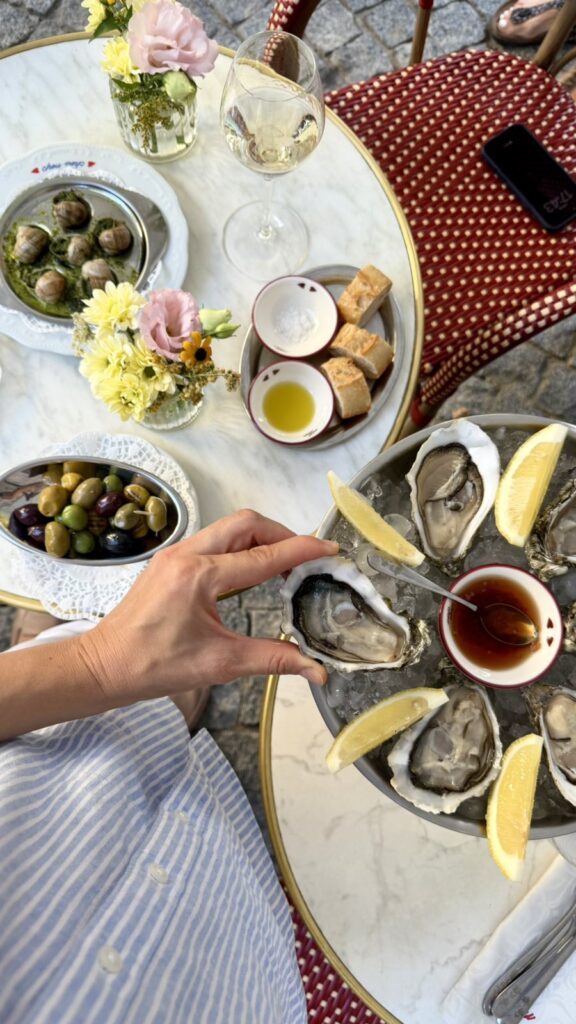
Fill a large serving platter with crushed ice. Nestle the freshly shucked oysters into the ice so that they remain level and retain their natural liquid.
Place the three sauces for oysters in small bowls and serve them with small spoons. Arrange lemon wedges around the oysters and add any optional toppings.
You can complete the platter with:
- fresh lemon or lime wedges;
- hot sauce;
- finely sliced green onions;
- freshly ground black pepper;
- chopped fresh herbs;
- toasted baguette slices;
- chilled Champagne or sparkling wine;
- dry white wine.
For an easy tasting experience, encourage everyone to try one oyster with each sauce before choosing a favorite.
How to Keep Oysters Cold
Keep oysters refrigerated until you are ready to open and serve them. Once shucked, arrange them on crushed ice and serve promptly.
Make sure the shells remain level so the oyster liquor—the flavorful natural liquid inside the shell—does not spill out.
Do not leave raw oysters sitting at room temperature while preparing the remaining food. Prepare the sauces first, then shuck and plate the oysters immediately before serving.
Food safety note: Raw oysters can contain harmful bacteria. Purchase them from a trusted supplier, keep them properly chilled, and serve them immediately after shucking. People at increased risk of serious foodborne illness should choose fully cooked oysters.
3 Easy Sauces for Oysters
Ingredients
Method
- Combine the olive oil, lemon juice, grated ginger, finely chopped chili, and a small pinch of salt in a bowl. Whisk well.

- In a second bowl, combine the soy sauce, olive oil, and freshly squeezed lemon juice. Whisk until combined.
- In a third bowl, combine the white wine vinegar, olive oil, and finely chopped red onion. Stir well. Let it rest for 10–15 minutes if time allows.

- Arrange freshly shucked oysters on crushed ice. Stir each sauce and serve in separate bowls with small spoons. Add approximately ½ teaspoon of sauce to each oyster.
Notes
- Each sauce makes enough for approximately six oysters.
- Reduced-sodium soy sauce is a good option because oysters are naturally briny.
- Remove the chili seeds and membranes for a milder lemon ginger sauce.
- Shallot can replace red onion in the mignonette.
- Champagne vinegar can replace white wine vinegar.
- Prepare the sauces before shucking the oysters.
- Keep raw oysters properly chilled and serve them promptly.
- Refrigerate leftover sauces in covered containers for up to 24 hours.
Can the Sauces Be Made Ahead?
Yes. All three sauces can be prepared before your guests arrive.
The soy lemon sauce and lemon ginger sauce can be refrigerated in covered containers for up to 24 hours.
The mignonette benefits from a short resting time because the vinegar softens the flavor of the onion.
Whisk or stir each sauce immediately before serving because the olive oil will naturally separate from the other ingredients.
For the best flavor and texture, prepare all three sauces on the same day you plan to serve them.
Can I Double the Recipes?
Yes. Each recipe makes enough sauce for approximately six oysters.
Double every ingredient if you are serving 12 oysters with one sauce. If you prepare all three sauces, the quantities listed are suitable for creating a tasting platter of approximately 12–18 oysters.
What Drinks Pair Well with Oysters?
The clean, mineral flavor of oysters pairs particularly well with crisp, acidic drinks.
Good choices include:
- Champagne;
- Prosecco;
- dry sparkling wine;
- Sauvignon Blanc;
- Muscadet;
- dry Riesling;
- sparkling water with lemon;
- cucumber water.
Avoid heavily sweetened drinks, which can overwhelm the fresh flavor of the oysters and clash with the vinegar and citrus in these sauces for oysters.
Tips for Serving Raw Oysters
- Purchase oysters from a trusted seafood supplier.
- Keep them cold before and after shucking.
- Use a proper oyster knife and protect your hand with a thick towel or oyster glove.
- Do not spill the natural liquid inside the shell.
- Arrange opened oysters on crushed ice.
- Prepare the sauces before opening the oysters.
- Stir each sauce immediately before serving.
- Start with a small amount of sauce.
- Serve the oysters as soon as they are opened.
Frequently Asked Questions
What is the traditional sauce served with oysters?
Mignonette is one of the most traditional sauces served with raw oysters. It is generally made with wine vinegar, finely chopped shallot or onion, and pepper.
Can I serve oysters with regular hot sauce?
Yes. A few drops of hot sauce can be served alone or added alongside lemon juice. Choose a sauce that is not too thick or sweet.
Can I use lime instead of lemon?
Yes. Lime juice can replace lemon juice in both the lemon ginger and soy sauce recipes. Lime will produce a slightly sharper, more aromatic citrus flavor.
Can I make these sauces for oysters without olive oil?
Yes, but the flavor will be sharper. Olive oil balances the acidity and gives the sauces a smoother texture. Traditional mignonette is often prepared without oil.
Which of these sauces for oysters is the least spicy?
The soy lemon sauce and mignonette are not spicy. The heat in the lemon ginger sauce can be reduced by removing the chili seeds and membranes or leaving the chili out completely.
Which vinegar is best for mignonette?
White wine vinegar and Champagne vinegar both work well. Champagne vinegar is usually milder, while white wine vinegar has a slightly sharper flavor. Avoid distilled white vinegar because it can overpower raw oysters.
How many oysters should I serve per person?
For an appetizer, plan on approximately 3–6 oysters per person. If oysters are the main feature of the meal, you may want to serve 6–12 per person, depending on the other dishes offered.
Three Simple Ways to Serve Fresh Oysters
You do not need complicated ingredients to create an elegant oyster platter at home. A little acidity, freshness, and carefully balanced seasoning are enough to bring out the oysters’ natural flavor.
Make one sauce for a simple appetizer or prepare all three for a complete tasting experience. The tangy mignonette, savory soy lemon sauce, and bright lemon ginger dressing each bring something different to the platter—and your guests can decide which one they like best.